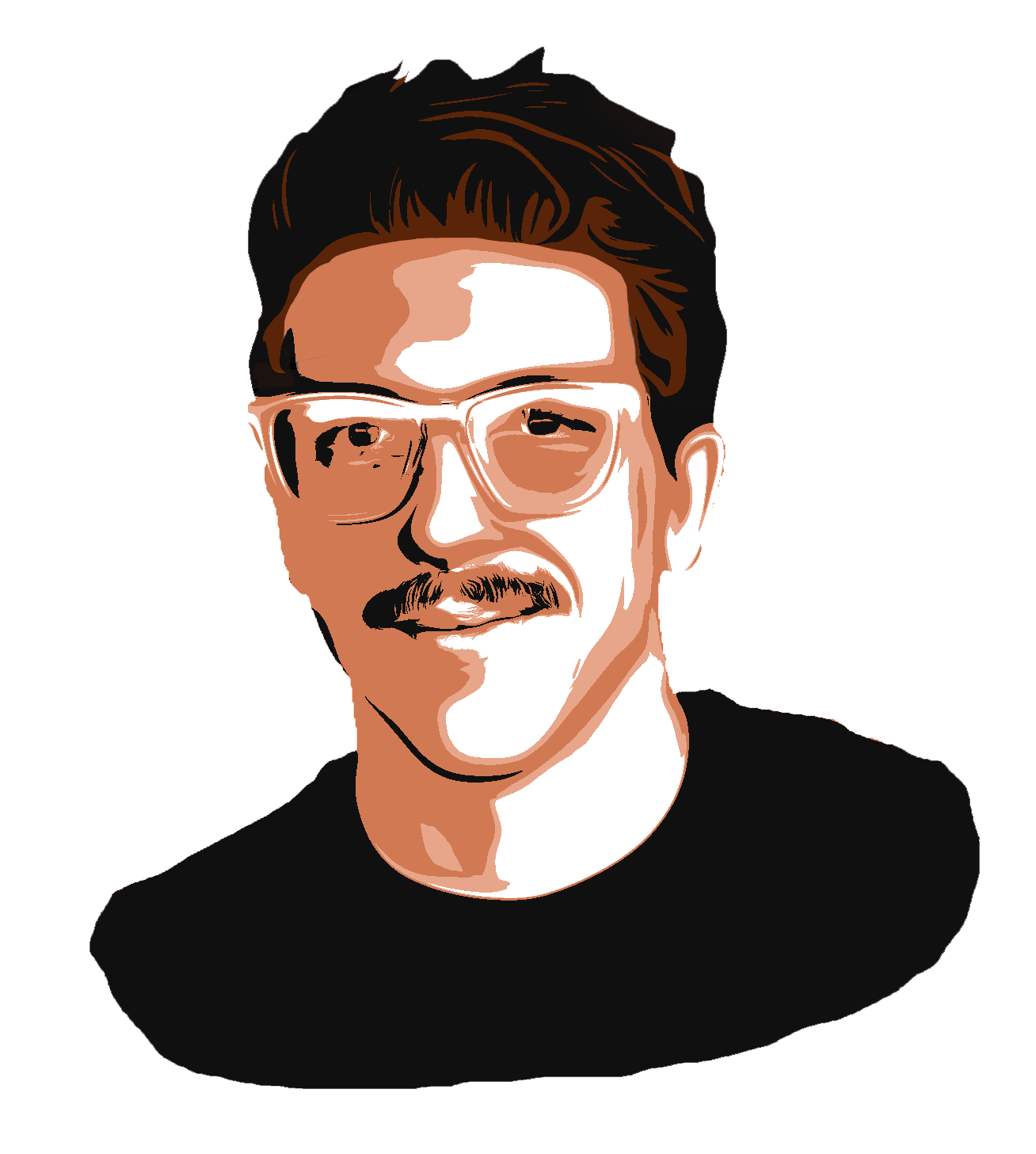
Hi, I’m Alex!
During primary school when learning about hypotheses out the back of the library in science class, I became transfixed when I got an “obvious” outcome wrong. I continued to enjoy maths, biology and physics until my final years of high school, when I sparked an interest in medicine after watching an emergency medicine documentary. From here I studied a Bachelor of Biomedical Science, with hopes to continue into a postgraduate medicine course.
At the end of that degree, I was unsure if medicine was right for me. But having completed a triathlon during my undergrad, and as an avid runner, I commenced a Master of Philosophy focusing on elite level triathlon. Through this research degree I was able to work in a thermophysiology laboratory and conduct research modelling the effects of environmental temperatures on elite triathlon performances. I quickly fell in love with research where I could be “obviously” wrong and learn. After attending the Association for Interdisciplinary Meta-Research and Open Science (AIMOS) 2023 conference, my clinical interests were sparked again with a new appreciation for meta-research.
Which brings me to the current moment, as a final year PhD candidate examining poor statistical and research practices in clinical prediction models. I’m particularly interested in clinical prediction models as they can directly influence individual patient care but can also be treated as a public health tool when applied through policy and guidelines. They also have a long practical and philosophical history through statistics and medicine — from Hippocrates circa 400 BC and the conceptualisation of prognostication, to the 20th century inventions of computational statistics and now AI. We are entering a new era of clinical prediction research that requires robust research and evidence to prevent patient harm and provide predictions that can be trusted.
I finish my PhD in 2027 and am eager to find a high-performing research team, company or start-up.
Contact me here if you’d like to talk.
I also enjoy learning about ecological sciences and conservation. I’m a contributor to iNaturalist where you can find my observations here where I have a keen interest in Australian raptors and kingfishers.
Past & Current Work
I’m completing my PhD at the Australian Centre for Health Services Innovation at QUT under the supervision of Professor Adrian Barnett, Associate Professor Nicole White and Dr David Borg.
As a meta-scientist I focus on where clinical prediction models go wrong, what this means for patients, clinicians and policy and how to improve them through research practice, statistics and regulation. The first of my PhD studies has been published here. My second study examines statistical hacking practices of performance metrics and uses forensic meta-scientific principles to uncover new research problems. My final study explores empirical and theoretical limitations to predictions through statistical modelling and thought experiments. The work completed in my PhD is supported by the Commonwealth of Australia and the Statistical Society of Australia.
I’ve worked at the Australian Centre for Health Services Innovation on a project with the Australian Institute of Sport titled “Statistical Thinking in High-Performance Sport”, in the Exercise and Environmental Ergonomics lab on a human clinical trial for a microwearable AI device start-up and at a private histopathology venture on AI image detection for cancer diagnosis.